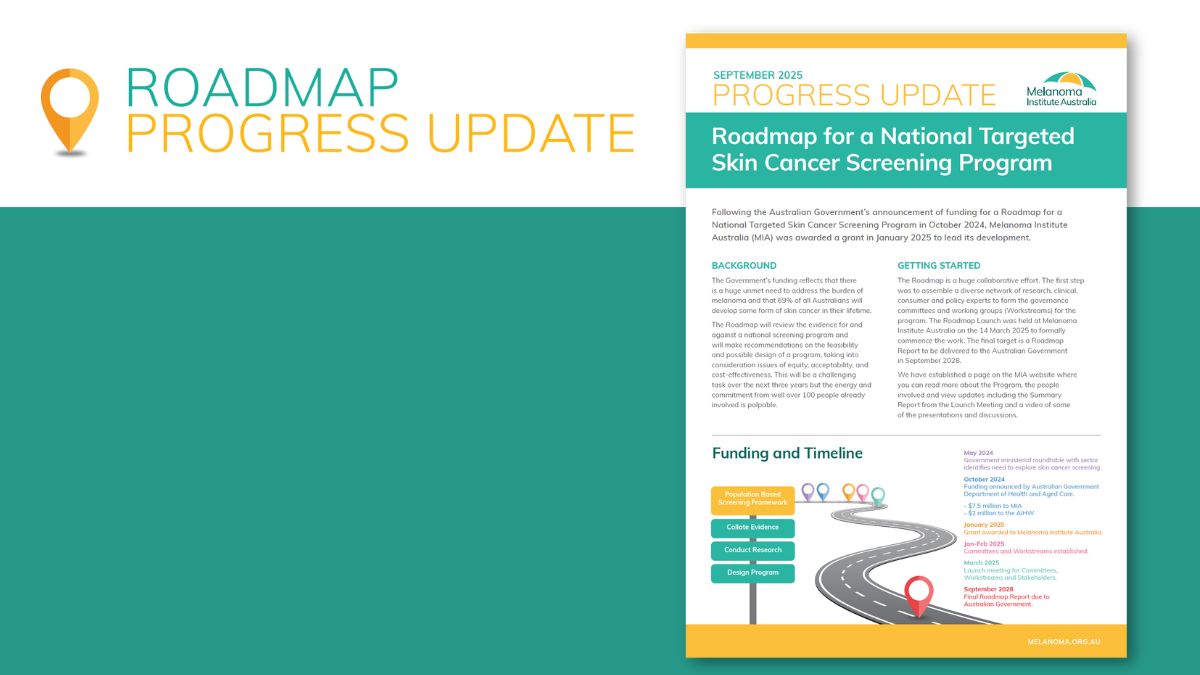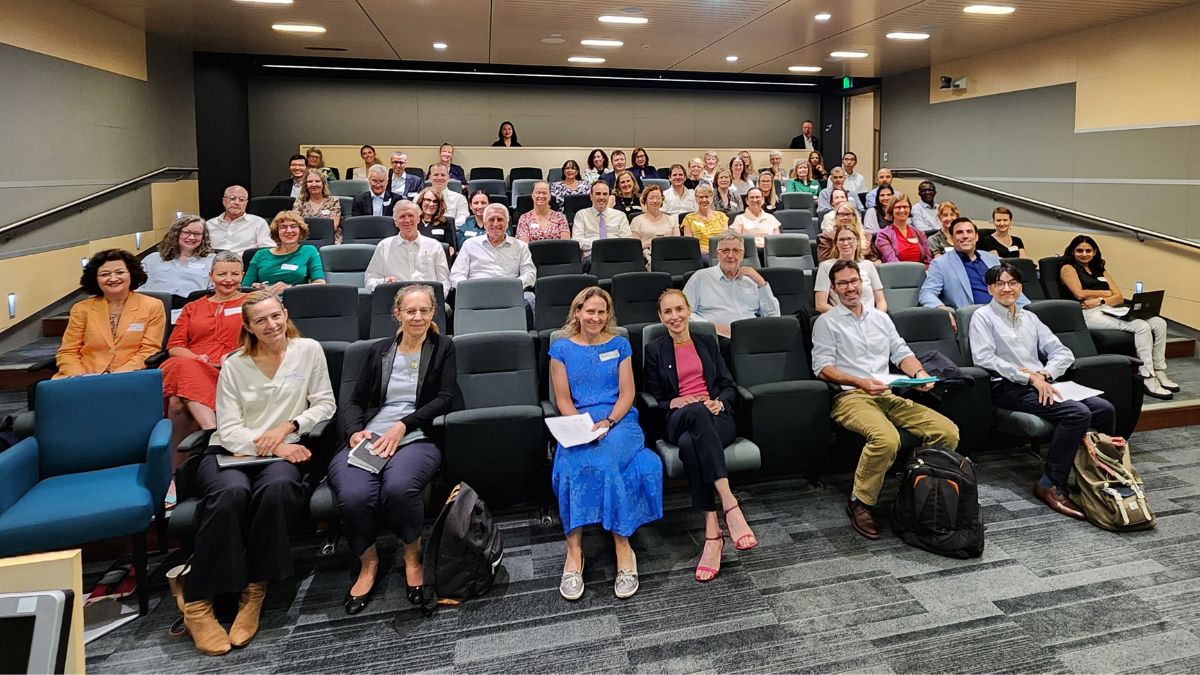
Melanoma Institute Australia has been funded by the Australian Government to lead the development of a Roadmap for a National Targeted Skin Cancer Screening Program (the Roadmap). This is being done in collaboration with the Australian skin cancer community.
A targeted screening program means that rather than inviting all people in the population above a certain age to be screened, the screening program would identify people at greatest risk of harm from skin cancer and invite them to screen. The aim of targeted screening is to gain the most benefits in the population with the lowest potential for harm.
To this end, Roadmap members asked a first, important question: Should the targeted screening program focus just on melanoma or on all skin cancers?
The Roadmap members, including the Consumer and Community Advisory Committee, have talked over this question in detail and looked at the current research.
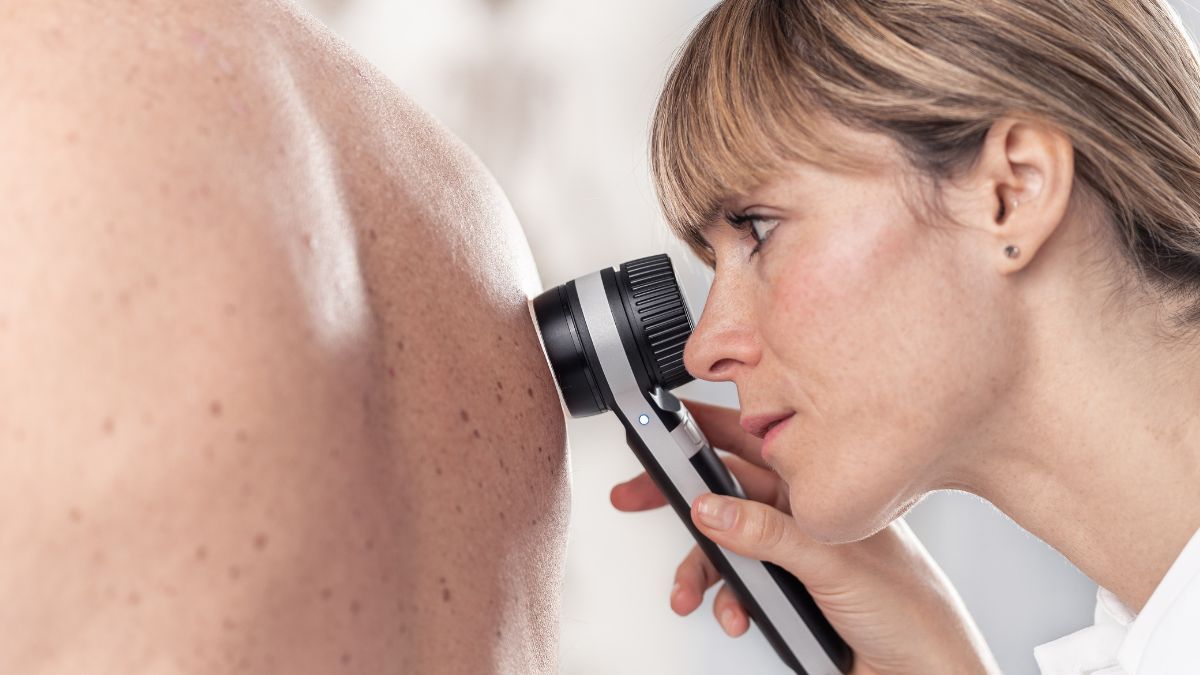
They have reached agreement that the proposed screening program should focus on finding melanomas early.
Background on melanoma and other skin cancers
• Skin cancers can be broadly grouped into melanoma and non-melanoma skin cancers.
• Melanomas form from the pigment-producing cells in the skin. They are less common than other types of skin cancer but are more dangerous as they spread to other organs more easily.
• Melanoma is the third most diagnosed invasive cancer nationally, after prostate and breast cancer.
• Non-melanoma skin cancers include basal cell (BCC) and squamous cell (SCC) carcinoma (also known as keratinocyte cancers). They are less likely to have become invasive and spread to other organs at the time of becoming symptomatic and being brought to medical attention.
• Around 10% of skin cancers are melanomas, but they will cause 65% of skin cancer deaths.
• Survival rate for melanoma is up to 99% when detected early, before spread to other organs.
The recommendation for melanoma screening
The current evidence suggests that we have the right tools to identify people at high risk of melanoma and to find melanomas in these people early, before they become invasive. If melanoma is found at an early stage when it is thin, it can be easily cured by a simple surgery. If not found until later when they are thicker, they have a higher chance of spread to other parts of the body, which can ultimately cause death, and may require complex and costly treatments. Non-melanoma skin cancers usually remain easy to manage and have a good prognosis even when identified and presented to a doctor by the patient.
Ensuring non-melanoma skin cancers are also treated and managed when detected
The Roadmap members will suggest that any future screening program for melanoma would need to include clear pathways for the assessment and management of other types of skin cancers if they are found during screening. In this way, a screening program focused on early detection of melanoma could also improve early detection and treatment of non-melanoma skin cancers.
The Roadmap members will also consider making recommendations to improve the collection of data on non-melanoma skin cancers in any proposed melanoma screening program to inform future evaluations for broader skin cancer screening.
A proposed melanoma screening program would likely also include education on skin cancer prevention and self-checking for skin changes for all participants, which could have further benefits to lower the impact of all types of skin cancer.
Meeting the requirements for evidence and evaluation of a proposed screening program
For the Australian Government to introduce a new screening program, there must be clear evidence that the proposed program meets the criteria set out in the Population-Based Screening Framework. Any proposed screening program would also be evaluated by the Medical Services Advisory Committee that advises the Government on whether medical services will be safe and cost-effective.
The Roadmap members agree that these first recommendations are supported by the current evidence and offer the best opportunity to bring about change to lower the impact of skin cancer for the Australian population.